
Financial literacy is essential because it provides individuals with the tools to manage their finances effectively. In a country like Bangladesh, where many people still depend on informal financial systems, the ability to make informed financial decisions can significantly improve one’s standard of living.
Financial literacy is the ability to understand and manage personal financial behaviour. It encompasses knowledge about budgeting, saving, investing, borrowing, and planning for the future. A financially literate person can make informed, responsible decisions regarding money, thereby ensuring their economic well-being. In a world filled with complex financial products and services, financial literacy empowers individuals to navigate financial challenges, avoid pitfalls, and build secure futures.

Despite significant progress in recent years, financial literacy remains limited among a large portion of the Bangladeshi population. According to the Bangladesh Bureau of Statistics’ report on the 2022 Bangladesh Sample Vital Statistics, the literacy rate stood at 76.8 percent.
However, the Financial Inclusion Insights (2018) programme by Inter Media Research revealed that as of December 2023, only around 28 percent of Bangladeshis were financially literate. This means more than 70 percent of the population lacks this fundamental understanding, with only a small fraction demonstrating a good grasp of key financial concepts.
Many individuals, particularly in rural areas, lack access to formal financial education, making them vulnerable to poor financial decision-making. This knowledge gap leads to difficulties in managing personal finances, saving for emergencies, and investing for long-term goals. Female financial literacy rates in rural areas are particularly low.
However, the government and private sector have begun to recognise the importance of financial literacy, and several initiatives have been introduced to raise awareness across different segments of society. Despite these efforts, progress remains slow and uneven, particularly at the individual and household levels.
To translate awareness into meaningful outcomes, financial literacy must be supported by practical, easy-to-follow frameworks that individuals can apply in their daily lives. In this context, a structured approach to personal money management becomes essential for reducing financial stress and building long-term stability.
Ideal model for individual financial behaviour
To manage personal financial behaviour effectively, we can follow the 50-30-20 model. This simple yet effective budgeting technique divides monthly income into three categories:
50 percent – For essentials and basic needs
It is recommended that 50 percent of one’s net monthly income be allocated to essential living expenses. This includes costs such as education, medical, housing, utilities, groceries, transportation, healthcare, and other fundamental needs. By ensuring this allocation remains within half of one’s income, individuals can avoid financial strain and maintain a stable lifestyle.
30 percent – For personal desires and lifestyle choices
The next 30 percent of one’s salary can be directed towards lifestyle and discretionary spending—this includes entertainment, dining, hobbies, travel, and other personal aspirations. This component allows individuals to enjoy the fruits of their labour while maintaining financial control.
A progressive addition to this segment could be the allocation of 1 percent towards charity or humanitarian causes. Such contributions, though small, instil a sense of social responsibility and collective well-being, forming part of a holistic approach to personal finance.
20 percent – For savings, security, sustainability and investment
The final 20 percent, arguably the most critical component of the 50:30:20 model, is earmarked for savings, long-term financial growth, safety, security, sustainability, and investment. This segment requires strategic allocation and can be broken down further into a 10:5:5 structure, enabling more targeted financial planning:
10 percent – For savings
Regular savings through banking institutions help build an emergency fund and ensure liquidity for unforeseen expenses.
5 percent – For financial security and sustainability
Investing in insurance (life, health, etc.) offers a safety net against risks, contributing to financial resilience.
5 percent – For investments for growth
This portion can be channelled into wealth-building avenues such as mutual funds, equity markets, real estate, gold, or other asset classes. The goal here is capital appreciation and long-term prosperity.
This nuanced approach to individual financial planning not only strengthens present-day financial stability but also lays a structured path for future economic empowerment. The 50:30:20 model, with its strategic subdivision, reflects an individual’s awareness and responsibility towards both their current lifestyle and future goals.
It’s important to note that this model may not be equally applicable across all age groups. For example, in early adulthood, basic needs might be minimal, while savings and investment capacity will be higher, which can compound savings over time. As a person ages, their basic needs increase, and their savings and investment capacity may shrink.
Ultimately, financial literacy is not merely about numbers or financial products; it’s about building confidence, discipline, and balance in everyday life. A financially literate individual is better equipped to manage income, withstand economic shocks, and make informed choices that align with both immediate needs and long-term aspirations.
In a country like Bangladesh, where household-level financial decisions collectively shape national economic resilience, promoting practical financial literacy can significantly reduce personal financial stress and enhance overall well-being.
By adopting simple, adaptable models such as the 50:30:20 Individual Financial Behaviour Model and adjusting them across different life stages, individuals can cultivate sustainable financial habits that support a stress-free, secure, and empowered personal life.
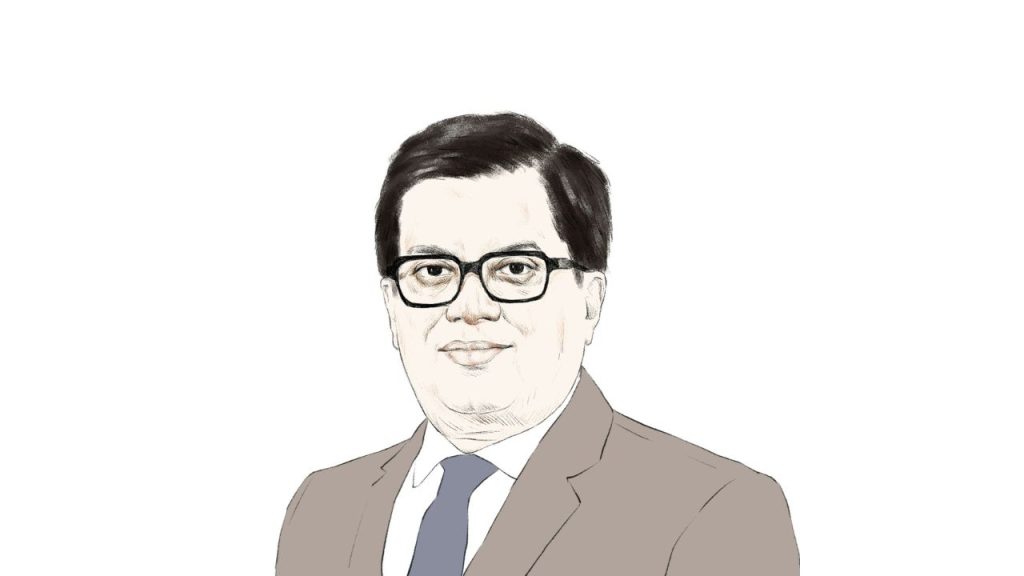
The author is the Head of Retail Distribution Division and the Chief Bancassurance Officer at Midland Bank PLC.